Opioids
What Are Opioids?
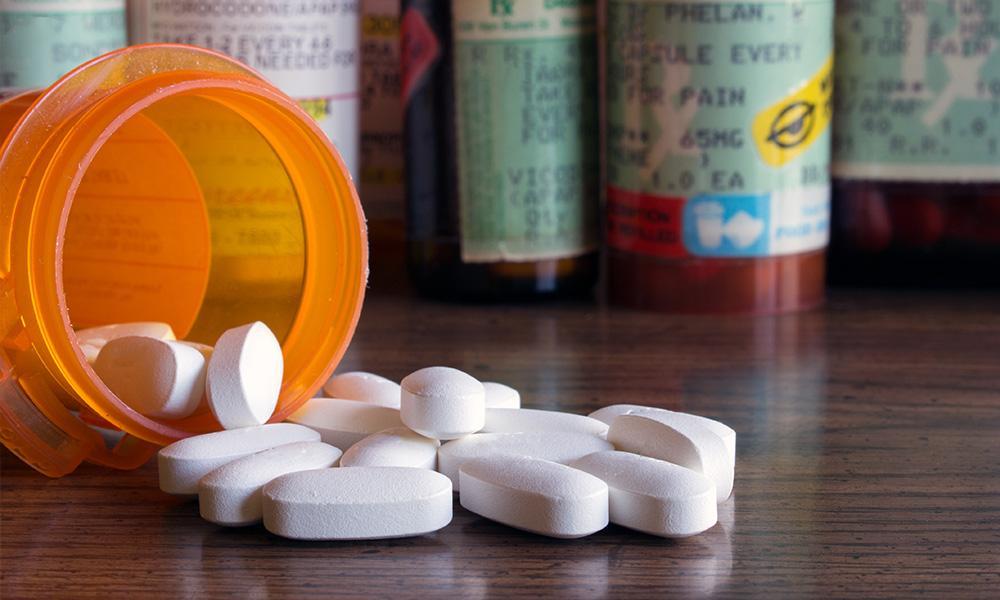
Opioids include prescription painkillers like oxycodone, hydrocodone, codeine, and morphine, synthetic opioids like fentanyl, methadone, pethidine, and tramadol, and semi-synthetic opioids like heroin. By interacting with receptors in the brain and body, opioids can reduce a person’s perception of pain, but may also cause drowsiness, confusion, euphoria, nausea, constipation, and slowed breathing. At high doses, slowed breathing can result in death.
Opioid Use Disorder
Opioid use disorder occurs when opioids cause significant impairment and distress. Symptoms include:
- Taking larger amounts or taking drugs over a longer period than intended
- Persistent desire or unsuccessful efforts to cut down or control opioid use
- Spending a great deal of time obtaining or using the opioid or recovering from its effects
- Craving, or a strong desire or urge to use opioids
- Problems fulfilling obligations at work, school or home
- Continued opioid use despite having recurring social or interpersonal problems
- Giving up or reducing activities because of opioid use
- Using opioids in physically hazardous situations such as driving while under the influence of opiates
- Continued opioid use despite ongoing physical or psychological problem likely to have been caused or worsened by opioids
- Tolerance (need for increased amounts or diminished effect with continued use of the same amount)
- Experiencing withdrawal (opioid withdrawal syndrome) or taking opioids (or a closely related substance) to relieve or avoid withdrawal symptoms
Overdose Prevention
Naloxone, branded as Narcan, is a medication that can reverse the effects of an opioid overdose, potentially saving a person’s life. Overdose prevention with Narcan involves making this medication readily available to those who may be at risk of experiencing an opioid overdose, such as individuals who use opioids recreationally or those who have a history of opioid addiction. It is important for individuals to be trained on how to recognize the signs of an opioid overdose and how to administer Narcan properly. Additionally, it is essential to call emergency services as soon as possible if an overdose is suspected, even if Narcan has been administered. By increasing access to Narcan and providing education on overdose prevention, we can reduce the number of opioid-related deaths and potentially save lives.
Accessing Narcan
The State of New Jersey allows anyone 14 years or older to acquire Narcan anonymously and at no-cost at participating pharmacies across New Jersey. For a list of participating pharmacies, click here.
Narcan is also available from the Paramus Health Department at no-cost!
Opioid Facts
Recent Years
- There were an estimated 107,543 drug overdose deaths in the United States during 2023—a decrease of 3% from the 111,029 deaths estimated in 2022. This is the first annual decrease in drug overdose deaths since 2018.
- The 81,083 reported opioid-involved drug overdose deaths for the 12 months ending in December 2023 is a decrease from 84,181 in the previous year.
- The COVID-19 pandemic caused an increase in the number of Americans using drugs. CDC researchers found roughly 13 percent of people surveyed either began using drugs during the pandemic or increased their use of illicit substances.
- While overdose deaths from synthetic opioids (primarily fentanyl) decreased in 2023 compared to 2022, cocaine and psychostimulants (like methamphetamine) increased.
New Jersey Statistics
- There were 2,564 suspected drug overdose deaths in New Jersey in 2023.
- New Jersey emergency medical services and law enforcement administered naloxone 12,944 times during 2023.
- A 2016 Partnership for a Drug-Free New Jersey (PDFNJ) study found that nearly one in three parents of New Jersey middle school students do not believe there is a link between painkillers prescribed for things like sports injuries and wisdom tooth removal and the rising use of heroin in New Jersey. The study also found that less than 50 percent of parents of New Jersey Middle School students feel they are knowledgeable about heroin.
- Between January 1 and June 30, 2024, there were 1010 suspected drug-related deaths.
- Between January 1 and June 20, 2024, there were 1,514,075 opioid prescriptions dispensed.
- Between January 1 and June 20, 2024, there were 5,492 Naloxone administrations.
Fentanyl
- The rate of drug overdose deaths increased by 279 percent for drug overdoses involving fentanyl, from 5.7 per 100,000 standard population in 2016 to 21.6 in 2021.
- Overdoses involving synthetic opioids (primarily fentanyl) increased to 71,238 in 2021 from 57,834 such deaths in 2020. More than 36,000 people died from overdoses involving synthetic opioids in 2019.
- The rate of drug overdose deaths involving synthetic opioids other than methadone increased 56 percent, from 11.4 per 100,000 people in 2019 to 17.8 in 2020.
- Overdose deaths involving synthetic opioids were nearly 18 times higher in 2020 than in 2013.
- In New Jersey, the total number of overdose deaths involving synthetic opioids increased from 2,221 in 2019 to 2,331 in 2020, a 5 percent rise.
- In 2023, DEA seized more than 80 million fentanyl-laced fake pills and nearly 12,000 pounds of fentanyl powder.
- Laboratory testing indicates 7 out of every 10 pills seized by DEA contain a lethal dose of fentanyl.
Related Topics
Substance Use Resources
Sexual Health Resources
Primary Care Resources
Crisis Support Resources
 Paramus Health Department