Measles (Rubeola)
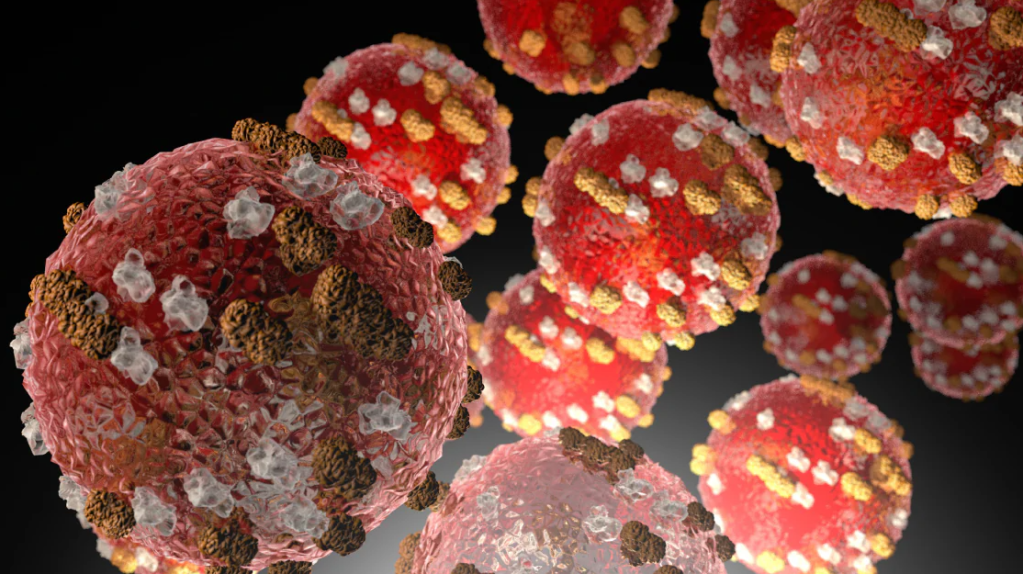
Measles is a very contagious but vaccine-preventable respiratory disease. Measles is considered the deadliest of all childhood rash/fever illnesses.
In the year 2000, measles was declared eliminated in the United States due to a high percentage of individuals receiving the measles, mumps, and rubella (MMR) vaccine. Unfortunately, cases have been reintroduced in the United States due to a decrease in measles vaccination rates, and unvaccinated individuals becoming infected during international travel. As of November 1, 2024, a total of 7 measles cases have already been reported in New Jersey for 2024.
Symptoms
Symptoms appear 7 to 14 days after contact with the measles virus. Common symptoms are:
- High Fever
- Cough
- Runny Nose
- Red, Watery Eyes
- Rash (appears 3 to 5 days after the first symptoms)

Complications
Children younger than 5 years of age are especially at risk for serious health complications from measles. Common complications include ear infections and diarrhea, but more serious complications include pneumonia and encephalitis. Nearly 1 to 3 of every 1,000 children who become infected with measles will die from respiratory and neurologic complications.
How Measles Spreads
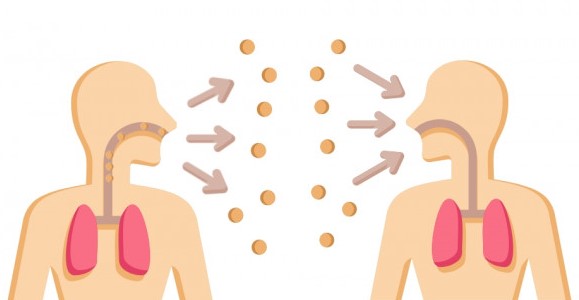
Measles is a highly contagious virus that lives in the nose and throat mucus of an infected person. It can spread to others through coughing and sneezing. If other people breathe the contaminated air or touch the infected surface, then touch their eyes, noses, or mouths, they can become infected. If you have measles, up to 90% of the people close to you, who are not immune, will also become infected.
Preventing Measles
The best way to prevent measles is to remain up to date on all measles vaccinations, especially if you are considering traveling abroad. The following should be vaccinated against measles:
- All children over one year of age
- Children between 6 months and 11 months of age who will be traveling internationally or visiting a community with an ongoing measles outbreak
- Adults who are unvaccinated, born after 1957, and have not had laboratory confirmation of a previous measles infection
Additional Resources
For more information about measles, please visit CDC.gov/Measles and NJ.gov/health/cd/topics/measles.shtml.
 Paramus Health Department