October is Breast Cancer Awareness Month. The Breast Cancer Research Foundation estimates that in 2023, an estimated 297,790 women will be diagnosed with breast cancer in the United States, but there are steps you can take to reduce your risk and detect it early. This article provides information on breast cancer prevention, early detection, and resources for support.
Understanding Breast Cancer
Breast cancer is a type of cancer that starts in the cells of the breast. It can occur in both women and, though less commonly, in men. The disease develops when abnormal cells in the breast begin to grow and multiply uncontrollably, forming a tumor. These tumors can be benign (non-cancerous) or malignant (cancerous). If left untreated, malignant tumors can spread to nearby tissues or other parts of the body, making early detection and treatment crucial. Awareness, regular screenings, and a healthy lifestyle play pivotal roles in prevention and early intervention.
Risk Factors
Certain factors may increase your risk of developing breast cancer. These include:
- Age: The risk increases with age, especially after 50 years of age.
- Family History: A family history of breast cancer may increase your risk.
- Genetics: Some gene mutations can raise the risk of breast cancer.
- Hormone Replacement Therapy: Long-term use of certain hormones may be a risk factor.
- Lifestyle Choices: Poor diet, lack of exercise, excessive alcohol consumption, and smoking can contribute.
Breast Cancer Prevention Strategies
Maintain a Healthy Lifestyle
- Balanced Diet: Focus on fruits, vegetables, whole grains, and lean proteins.
- Regular Exercise: Aim for at least 150 minutes of moderate exercise per week.
- Limit Alcohol Intake: If you choose to drink, do so in moderation.
Know Your Body
- Perform Regular Self-Exams: Familiarize yourself with how your breasts look and feel. Report any changes to your doctor.
Attend Regular Check-ups
- Clinical Breast Exams: Schedule regular exams with your doctor.
- Mammograms: Follow recommended screening guidelines based on your age and risk factors.
Understand Your Family History
- Share Family History: Inform your doctor about any family history of breast cancer.
Early Detection Saves Lives
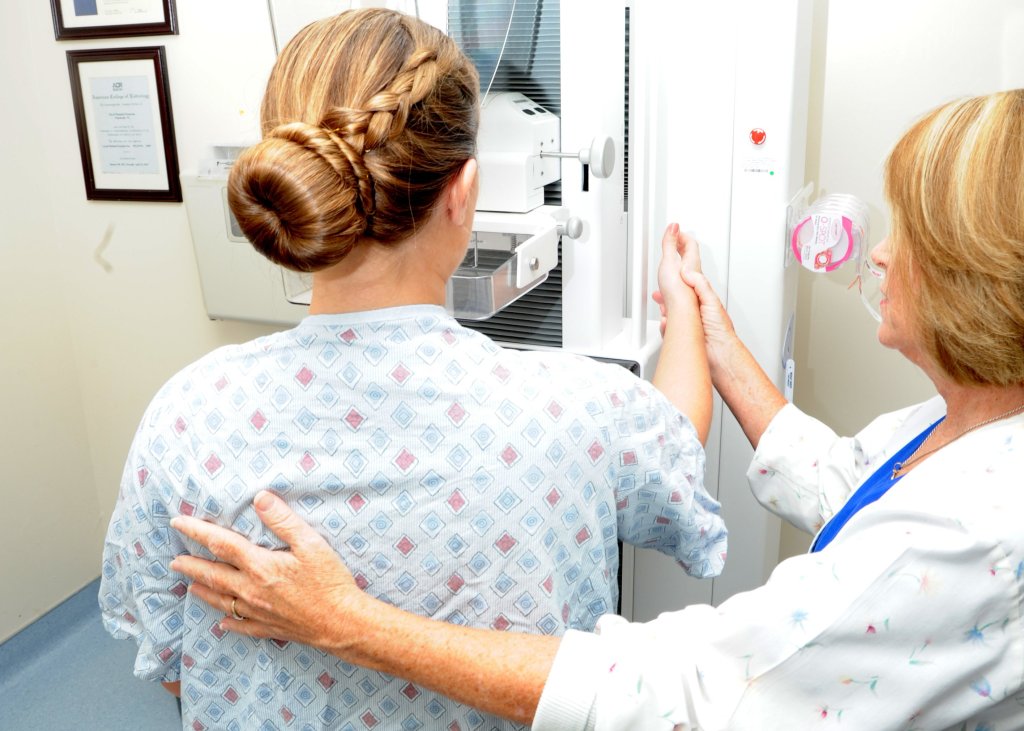
Early detection of breast cancer is paramount in ensuring successful treatment and improving overall prognosis. Regular screening methods, such as mammograms and clinical breast exams, play a crucial role in identifying abnormalities in breast tissue before they develop into advanced stages. Mammography, in particular, employs low-dose X-rays to capture detailed images of the breast, enabling doctors to detect tumors or irregularities that may be too small to feel during a physical examination.
Performing a Breast Self-Examination
Performing regular breast self-exams is a crucial part of early detection for breast cancer. Here are the steps you can follow:
- Choose a Comfortable Setting: Find a private space where you can relax and focus without interruptions.
- Undress from the Waist Up: Remove your clothing from the waist up, including your bra.
- Stand in Front of a Mirror: Stand with your arms at your sides and visually inspect your breasts. Look for any changes in size, shape, or symmetry. Check for any dimpling, puckering, or changes in skin texture.
- Raise Your Arms: Raise your arms above your head and observe for the same changes in size, shape, or texture.
- Inspect Your Breasts While Lying Down: Lie down on a comfortable surface with a pillow under your right shoulder. Use your left hand to feel your right breast, using the pads of your fingers. Use light, medium, and firm pressure in a circular motion, covering the entire breast and armpit area. Move in small circles, gradually increasing the size. Pay special attention to any lumps, hard knots, or thickened areas. Repeat this process for your left breast.
- Check Your Nipples: Gently squeeze your nipples to check for any discharge. Look for changes in color, shape, or any signs of inversion.
- Feel for Lumps While Standing or Sitting: Use the same circular motion with your fingers while standing or sitting. You can do this in the shower, as soapy hands can make it easier to glide your fingers over your skin.
- Check for Lumps While Standing or Sitting: Using the same circular motion, feel for lumps in your armpit area. This is where some lymph nodes are located.
- Note Any Changes: If you notice any changes, lumps, or abnormalities, make a note of them. Report any concerns to your doctor promptly.
- Perform Regularly: Aim to perform a breast self-exam once a month. It’s advisable to do it a few days after your menstrual period, when breasts are least likely to be tender or swollen.
Breast Cancer Resources
Bergen County Cancer Education and Early Detection (CEED) Program
One Bergen County Plaza, 4th Floor
Hackensack, NJ 07601
201-634-2664
Bergen County CEED Program
The Bergen County CEED Program provides comprehensive outreach, education and screening services for breast, cervical, colorectal, and prostate cancers. Screenings focus on healthy people who do not have symptoms. Services are provided by area hospitals.
CancerCare of New Jersey
800-813-4673
CancerCare.org
Provides free professional counseling, educational programs, financial assistance, and practical help to people with cancer, their loved ones, and the bereaved.
American Cancer Society
800-227-2345
Cancer.org
Available 24 hours a day, 365 days a year, and there is always a live representative to speak to. The American Cancer Society offers information on cancer, help finding transportation, financial assistance, and other resources.
*Resources are for informational purposes only and are not endorsed by the Paramus Health Department
Early Detection Saves Lives
Early detection of breast cancer is paramount in ensuring successful treatment and improving overall prognosis. Regular screening methods, such as mammograms and clinical breast exams, play a crucial role in identifying abnormalities in breast tissue before they develop into advanced stages. Mammography, in particular, employs low-dose X-rays to capture detailed images of the breast, enabling doctors to detect tumors or irregularities that may be too small to feel during a physical examination.
Taking proactive steps towards breast cancer prevention is a vital aspect of maintaining your overall health and well-being. By adopting a healthy lifestyle, understanding your risk factors, and seeking regular check-ups, you can empower yourself in the fight against breast cancer!
 Paramus Health Department