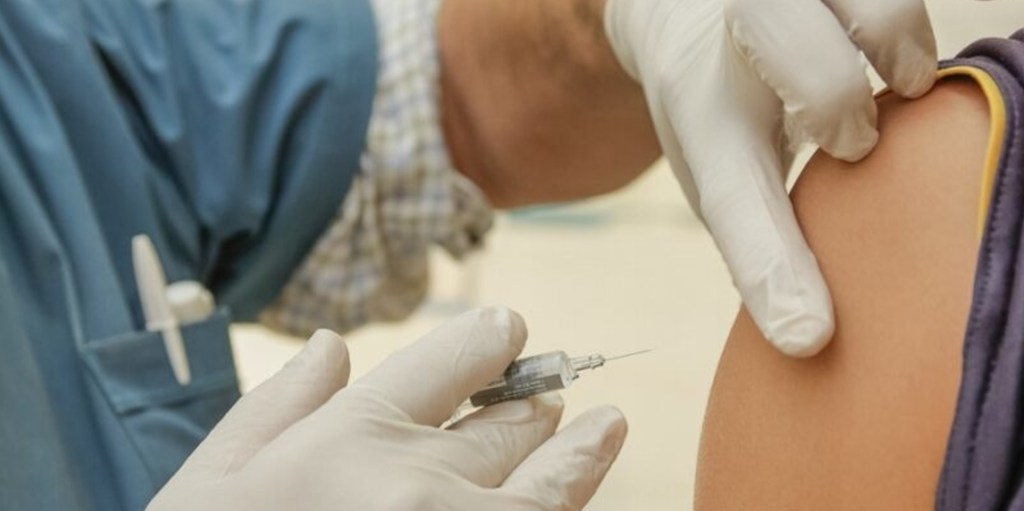
The month of August is dedicated to raising awareness to the importance of receiving vaccines to protect yourself and those around you. Vaccines are safe and effective at preventing disease, and have even eradicated once life threatening diseases in the United States!
What Are Vaccines and Why Do I Need Them?
Vaccines are injections which help your body fight off harmful viruses and bacteria. Many vaccines come in the form of shots, but they can also take the form of pills, nasal sprays, and liquids. These injections are crucial to protecting not just yourself, but those around you as well.
Debunking Vaccine Myths
You may have heard a lot of misinformation about vaccines, and it is important to ensure you receive health information from credible sources.
Here are a few vaccine myths and facts:
Myth #1: Natural immunity is better for you than immunity created by a vaccine
Fact: Diseases can lead to serious health problems including heart complications, long-term breathing problems, and death. Vaccines provide you with protection from diseases with much less risk of adverse side effects.
Myth #2: I don’t need a vaccine if everybody around me received vaccine or had a disease
Fact: When you get vaccinated, you make it more difficult for a disease to infect you and spread to others. When more and more people get vaccinated, it makes it harder for that disease to infect others.
Myth #3: Vaccines will make you sick with the disease they were designed to prevent
Fact: You may experience mild symptoms after receiving a vaccine, but this is just your body’s immune response to the vaccine, and is not the disease itself.
Myth #4: Vaccines can cause autism
Fact: Vaccines do not cause autism, and scientists have never found a link between the two. The original study which spread this myth has been retracted as there is no evidence to support this claim.
What Diseases Do Vaccines Protect Against?
Below are a list of common vaccines, and a description of the diseases they protect you from:
COVID-19: Protects against COVID-19, caused by the virus SARS-CoV-2. Complications from COVID-19 can include pneumonia, respiratory failure, and death.
DTaP: Protects against diphtheria, tetanus, and pertussis (whooping cough). Diphtheria can make breathing difficult, and can lead to heart failure and death. Tetanus causes muscles to stiffen, and can make it difficult to swallow and breathe. Pertussis can lead to pneumonia, brain damage, and even death.
Hepatitis B: Protects against the Hepatitis B virus, which causes the Hepatitis B liver infection. Transmitted when bodily fluids of an infected person enter the body of an uninfected person.
HPV: Protects against human papillomaviruses, over 200 viruses spread through sexual contact. The HPV vaccine provides protection against cancer-causing infections.
Influenza (flu): Protects against seasonal influenza, a viral infection. Influenza can be mild to severe, and can result in life-threatening complications or death.
Meningococcal: Protects against Meningococcal disease, which is transmitted through close contact with the mucus of an infected person. This disease can cause meningitis, an infection affected the brain and spinal cord.
MMR: Protects against measles, mumps, and rubella. Measles is caused by respiratory droplets, and can lead to a fever and rash. Mumps can cause painful swelling and a fever. Rubella is a spread through contact with saliva, mucus, and respiratory droplets.
Pneumococcal (PCV): Protects against diseases caused by the bacteria pneumococcus. The vaccine can also protect against some cases of pneumonia, meningitis, and sepsis.
Polio (IPV): Protects against the poliovirus, which can infect a person’s spinal cord, causing paralysis. The poliovirus is transmitted through contaminated food and water, or contact with an infected person.
Rotavirus (RV): Protects against the rotavirus, which causes watery diarrhea and vomiting in children.
Varicella: Protects against chickenpox, a highly contagious acute infectious disease that causes an itchy rash.
Zoster: Protects against shingles, a painful rash that consists of blisters.
Recommended Vaccinations
Depending on your age, vaccine history, and potential risk factors, there are vaccines you should receive. Consult your doctor if you have questions or concerns about vaccines.
Below is a list of recommended vaccines by age:
| At Birth | • Hepatitis B |
| 1-2 Months | • Hepatitis B • Diphtheria, tetanus & whooping cough (DTaP) • Haemophilus influenzae type b (Hib) • Polio (IPV) • Pneumococcal (PCV) • Rotavirus (RV) |
| 4 Months | • Diphtheria, tetanus & whooping cough (DTaP) • Haemophilus influenzae type b (Hib) • Polio (IPV) • Pneumococcal (PCV) • Rotavirus (RV) • Hepatitis B |
| 6 Months | • Diphtheria, tetanus & whooping cough (DTaP) • Haemophilus influenzae type b (Hib) • Polio (IPV) • Pneumococcal (PCV) • Rotavirus (RV) • Influenza (flu) • COVID-19 |
| 7-11 Months | *No recommended vaccines, but now is the time to receive any missed vaccinations |
| 12-23 Months | • Chickenpox (Varicella) • Diphtheria, tetanus & whooping cough (DTaP) • Haemophilus influenzae type b (Hib) • Measles, mumps & rubella (MMR) • Polio (IPV) (between 6 through 18 months) • Pneumococcal (PCV) • Hepatitis A (Hep A) • Hepatitis B (Hep B) |
| 2-3 Years | • Seasonal influenza vaccine |
| 4-6 Years | • Diphtheria, tetanus & whooping cough (DTaP) • Polio (IPV) • Measles, mumps & rubella (MMR) • Chickenpox (varicella) • Seasonal influenza vaccine |
| 7-10 Years | • Seasonal influenza vaccine |
| 11-12 Years | • Meningococcal conjugate vaccine • HPV vaccine • Tdap • Seasonal influenza vaccine |
| 13-18 Years | • Seasonal influenza vaccine *Any missed vaccines, or those needed for travel outside the United States |
| 19-26 Years | • Seasonal influenza vaccine *May need to receive meningitis, Td or Tdap, HPV vaccine depending on health conditions, lifestyle, and other factors |
| 27-60 Years | • Seasonal influenza vaccine • Tdap vaccine *if not received as a child • Td (tetanus & diphtheria) *every 10 years • Zoster vaccine *for adults 50+ years |
| 60+ Years | • Seasonal influenza vaccine • Td or Tdap vaccine • Pneumococcal vaccines for 65+ years • Zoster vaccine |
Retrieved from https://www.cdc.gov/vaccines/vpd/vaccines-age.html
Have More Questions About Vaccines?
Contact the Paramus Health Department for more information about vaccines, where to receive them, and other health needs you may have.
 Paramus Health Department